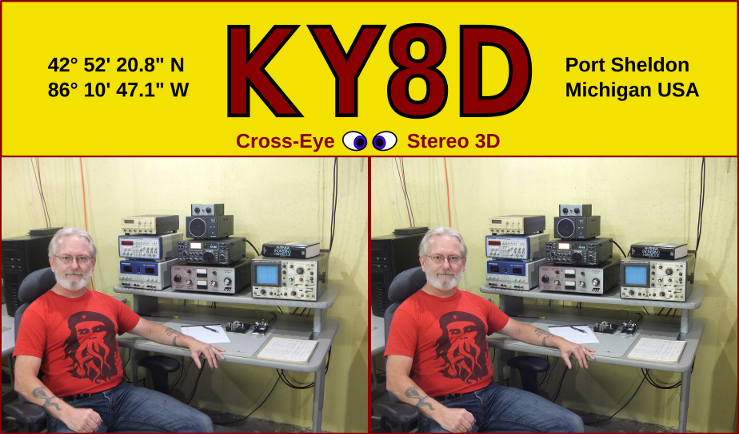
42° 52' 20.8" N 86° 10' 47.1" W
Grid Square EN62vu89 MAP

I held one prior (Novice) callsign, plus plural concurrent callsigns
Logbook Synopses for each:
KA8MWF
KY8D
VA7KYD
ZD7KYD
ZS1KYD
RBN Report ☜ Reverse Beacon Network.
Logbook Milestones: First contacts following license issue and/or upgrade.
Club Contact Synopses:
SKCC
FISTS
ILERA
☜
Individual tables, each on own page.
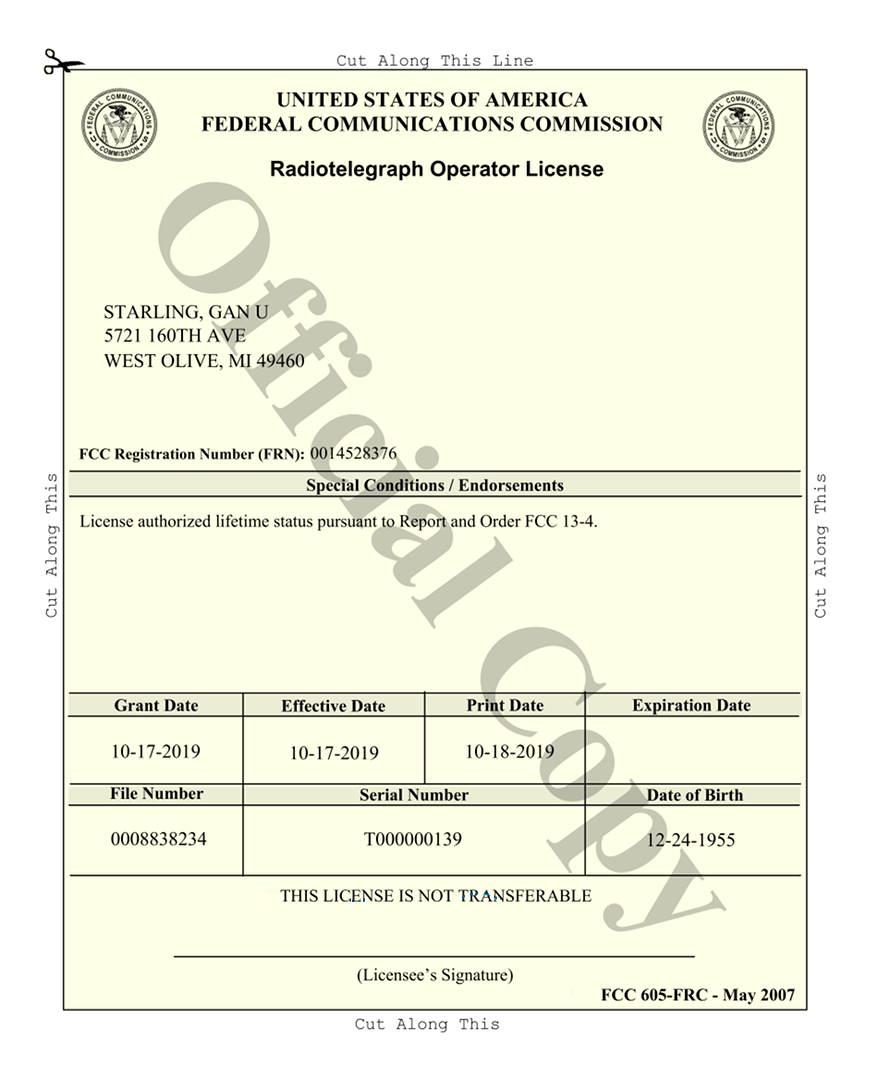
FCC Database ☜ Shades of Steve Martin: "The new listing is posted! I’m somebody now!"
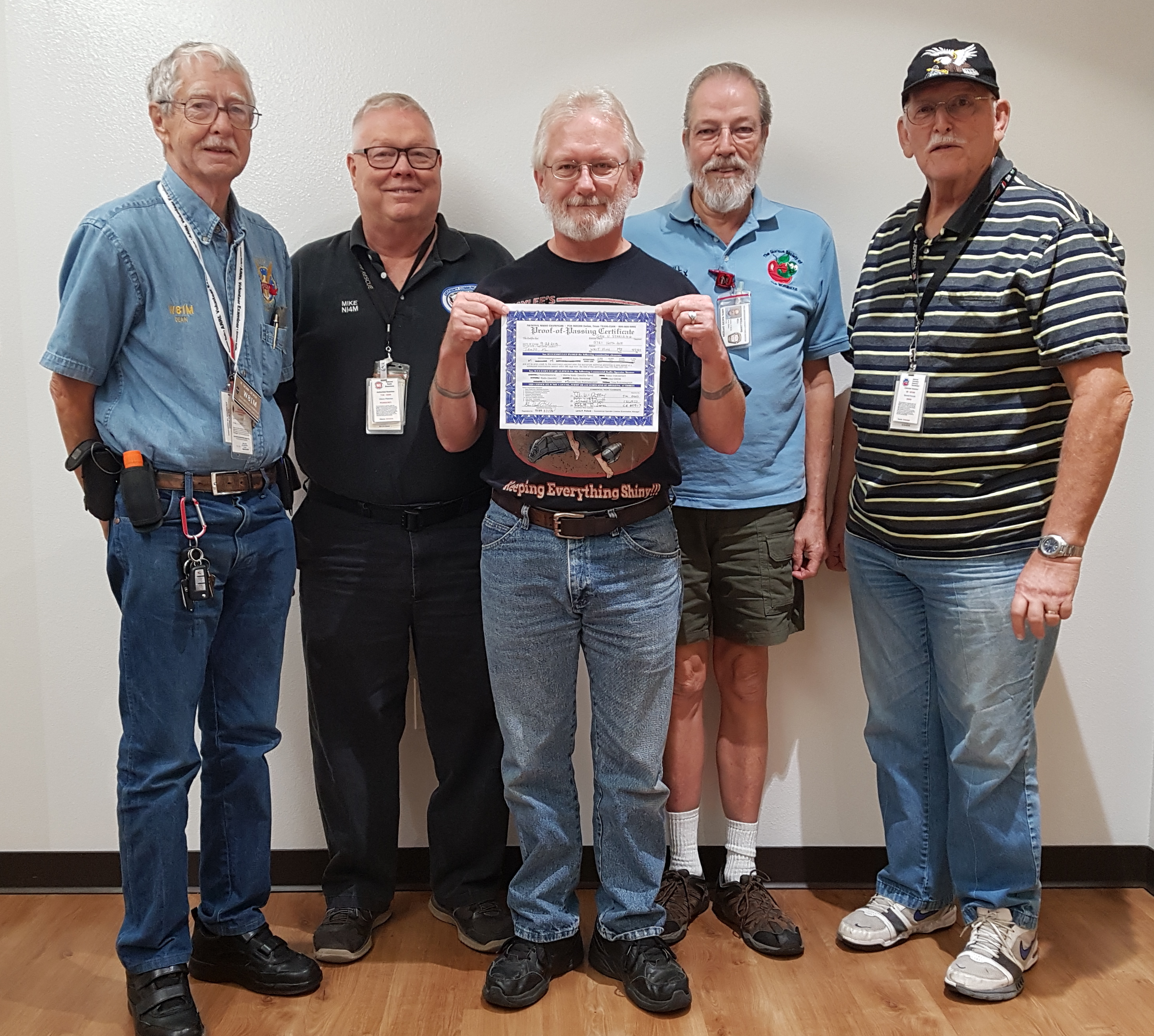
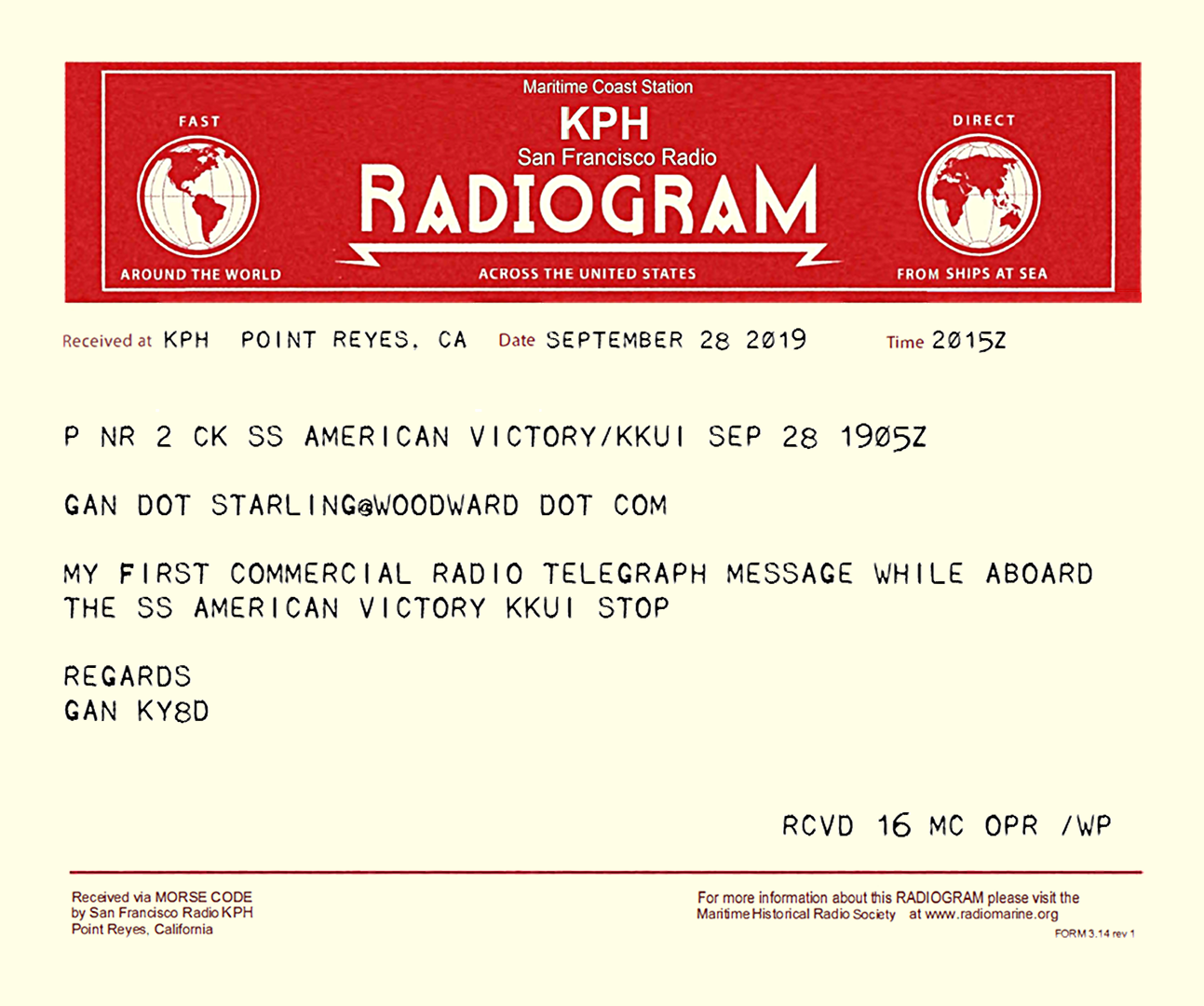
Fulfillment of a 40-year ambition! Signed into log as radio officer on a ship: station KKUI aboard the S.S. American Victory, Port of Tampa.
Above are thumbnails: click to see better.
2000-04-15 was the sunset date for the 20wpm Morse code requirment to earn an Extra Class license. On that day, the once shiny luster of Extra Class corroded compltely away.
Which then left only the FCC commerical telegraph license. Which very thing had been my ambition when entering college back in 1981. But come first semester, the college itself retargeted its degree program away from communications and over to industrial electronics, wrenching my career path into a right-angle turn.
40 years later, I achieved that goal: FCC Commercial T License .
Never before had I been one to pursue any kind of award. Mainly the reason is for how most are earned: hit-and-run QSOs got during contests. And I really, really, really dislike working contests. I only like ragchews. According to my log, I qualify for plural FISTS ragchew awards on several bands, but have not yet bothered to apply.
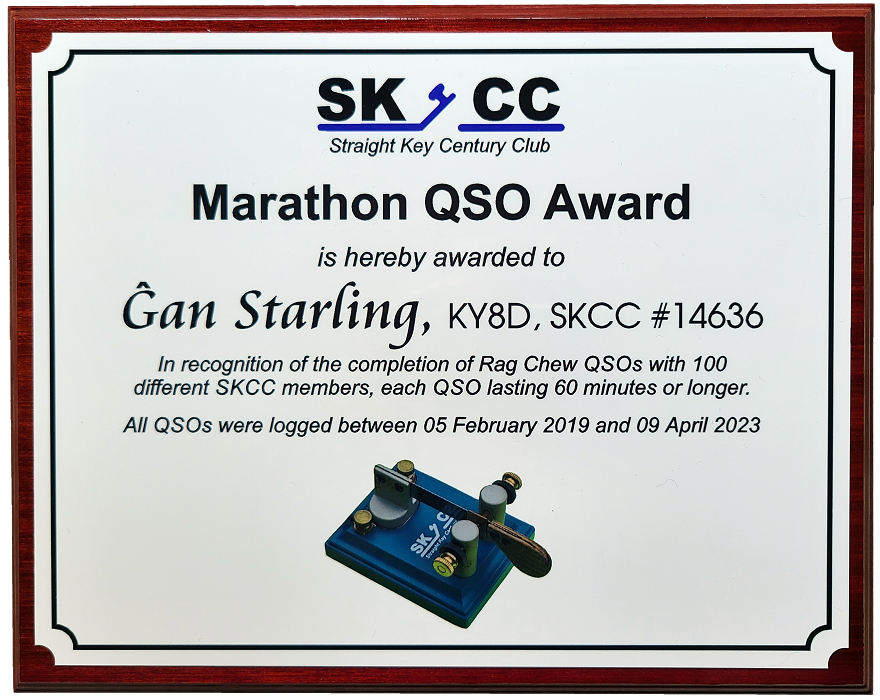
Now and then it would sometimes happen that another op would request that I send an email to the SKCC confirming our QSO of hour-plus length while on straight key. Once that tally climbed up to five, Cecil, the award manager, invited me to place my name into the official listing of award participants. After some thought, I gladly accepted.
Then seeing my tally at just only five, felt it could be improved upon. Before very long I too was striving in earnest. A great deal of fun, insofar as each QSO must run to an hour or longer, wherein you get to enjoy real conversations.
More than once, I did marathons back-to-back. One of my QSOs ran for 3:09 hours, beating the previous record in that listing by a good measure. Will be interesting to discover how long it shall stand. Anyhow, here is a link to my separate page about that: Marathon
Three tries max I’ll give to a pile-up, regardless how rare might be the DX. Aside from Field Day, never do I contest at all. Ultra-short, contest-like QSOs utterly fail to satisfiy. And so, for the longest time I’ve wished for a prosign to use in the same way as CQ DX or CQ MM, the better to indicate that only chatty ops should reply.
Therefor do I now sometimes call CQ RC in hopes of avoiding the annoyance of getting only TU 73 SK dit-dit on the second exchange. Here is a link all about doing that: CQ RC
KY8D Home page: USA
VA7KYD DX page: Canada
ZD7KYD DX page: St. Helena Island
ZS1KYD DX page: South Africa
Other than Field Day, I have zero interest in contests. Mostly I’m wanting your real and actual QSL card to hold and admire, the better if its design stands alone from all others.
I keep pencil-on-paper logs in official ARRL, spiral-bound logbooks, which I later cross-index into a private database hand-coded in SQLite accessed via a Perl k GUI. The software nags me to QSL every first contact lasting 15 minutes or longer. Mostly I send by direct mail.
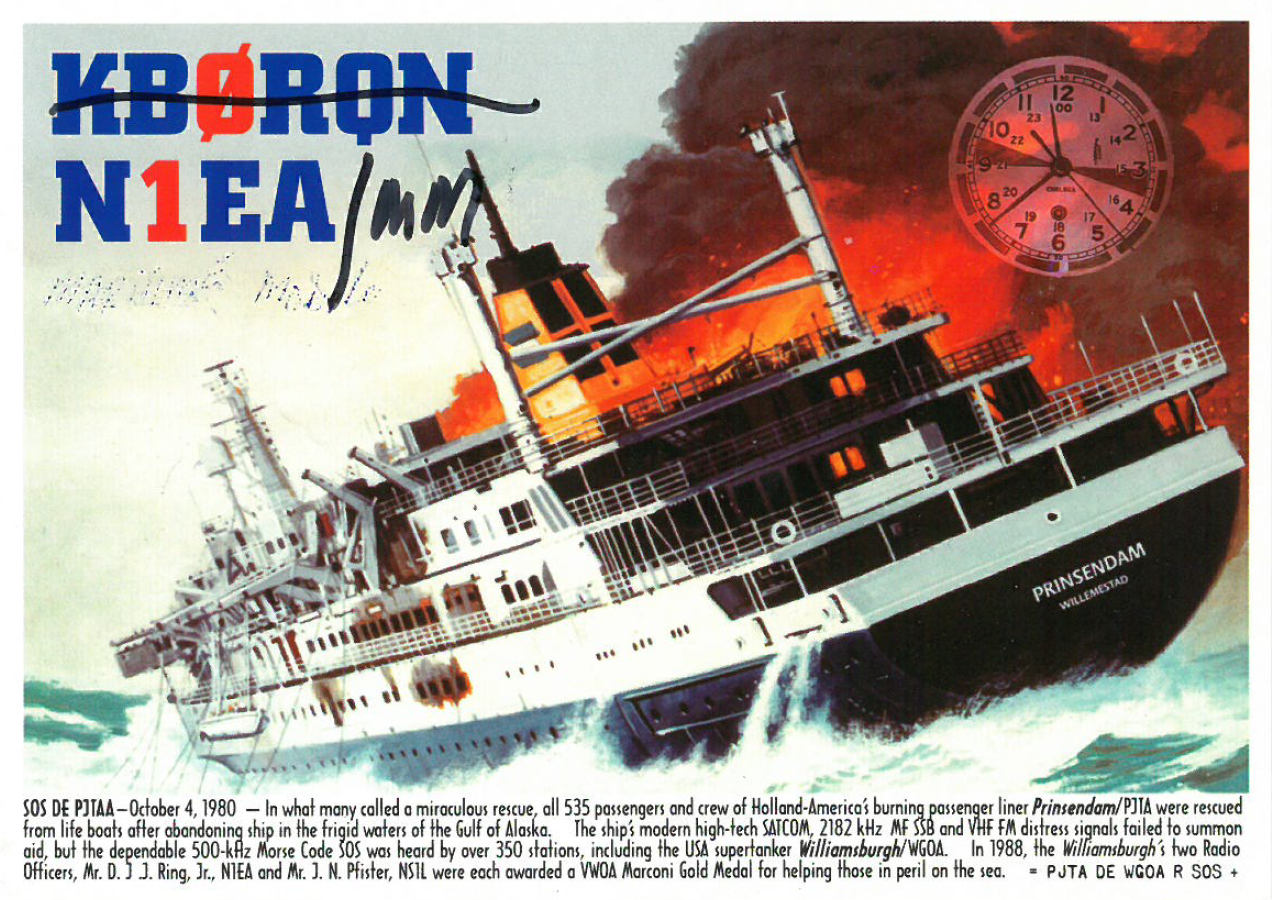
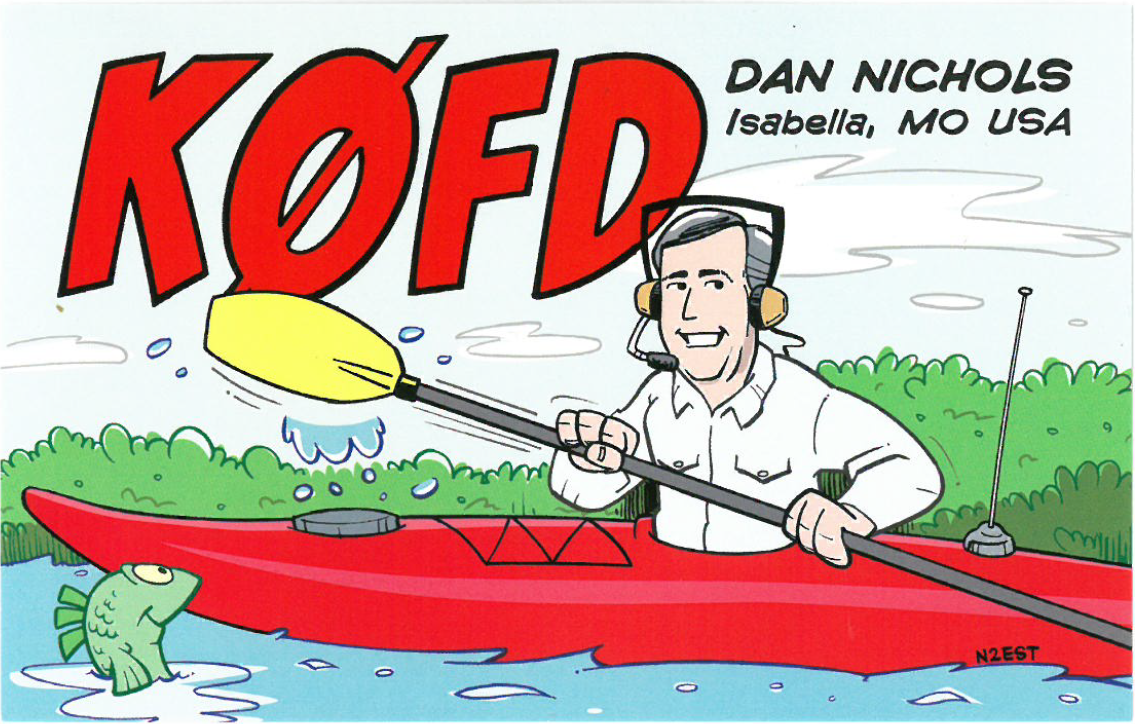
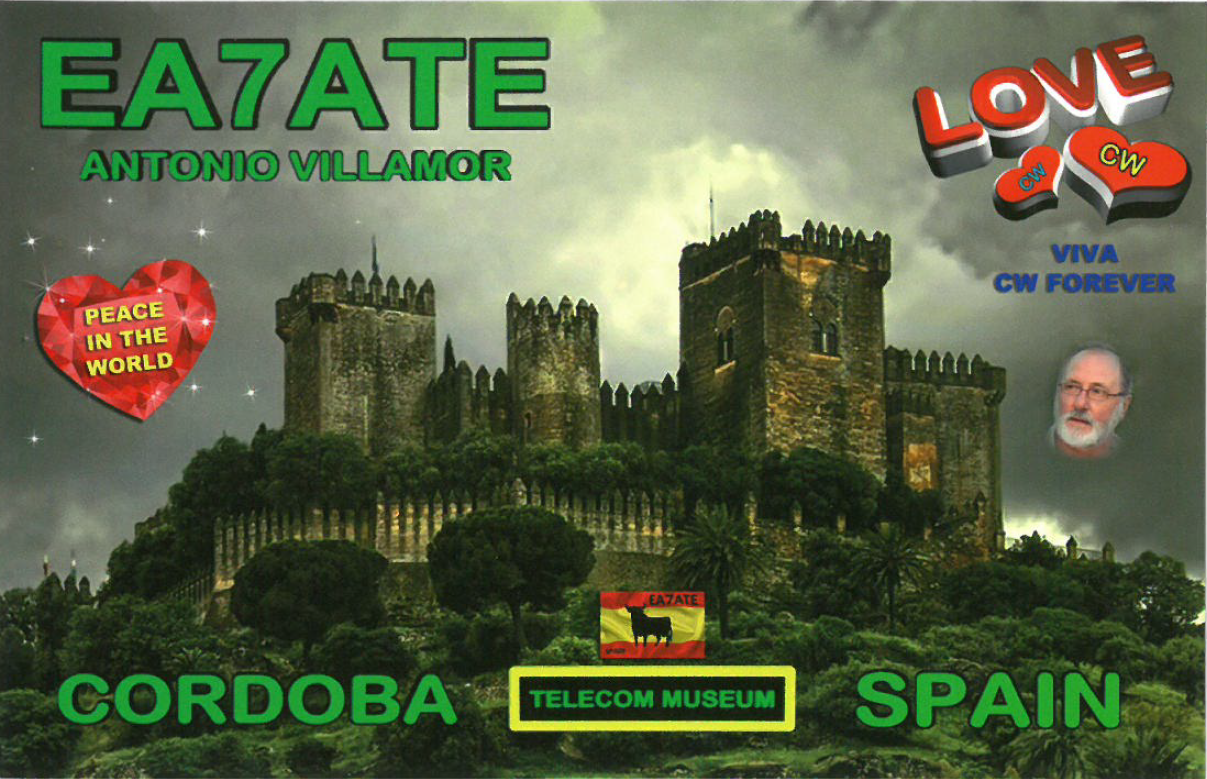
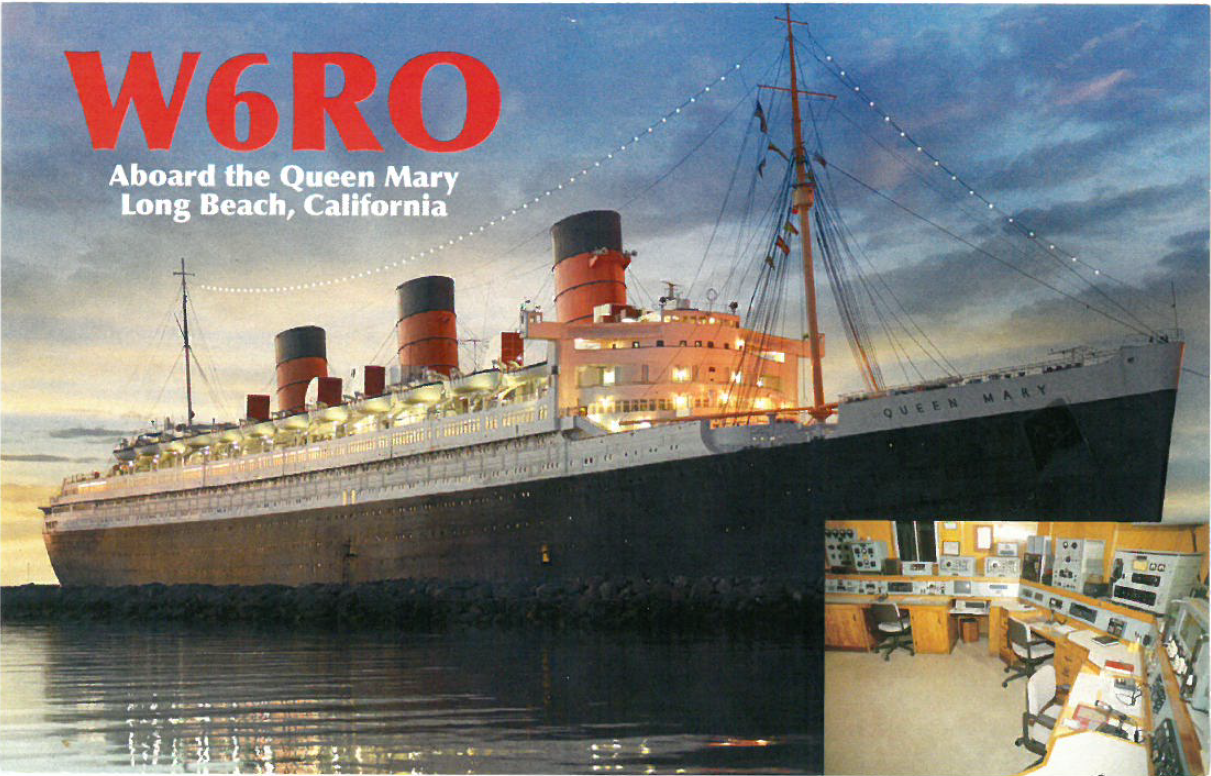
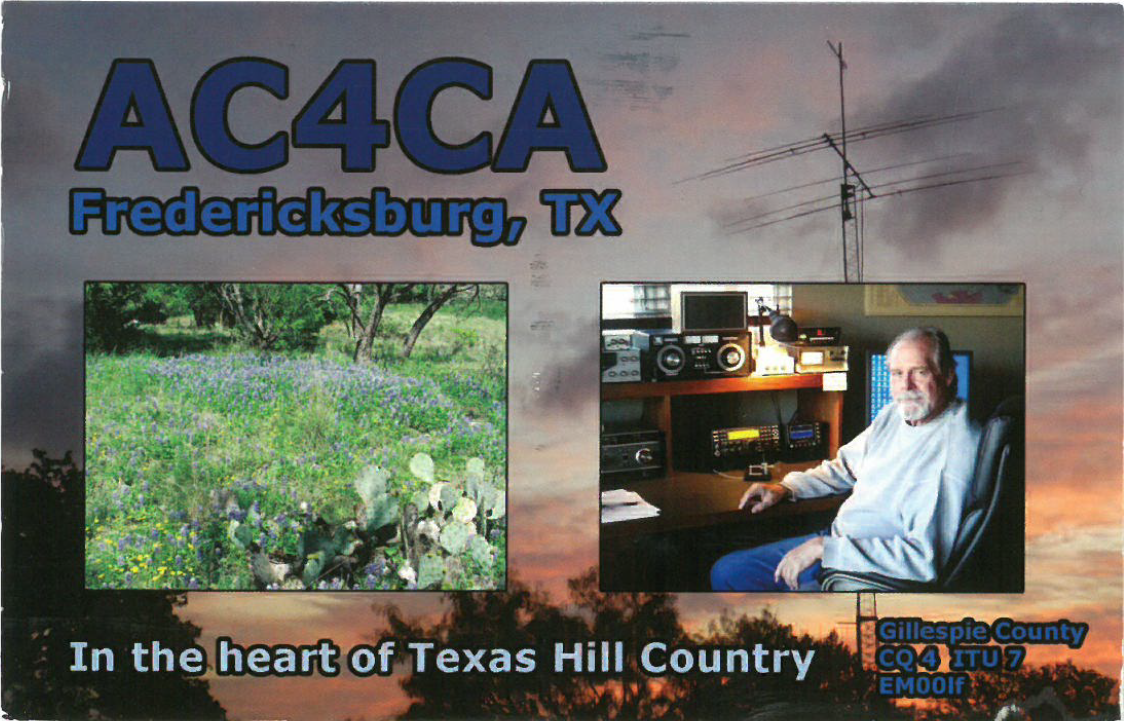
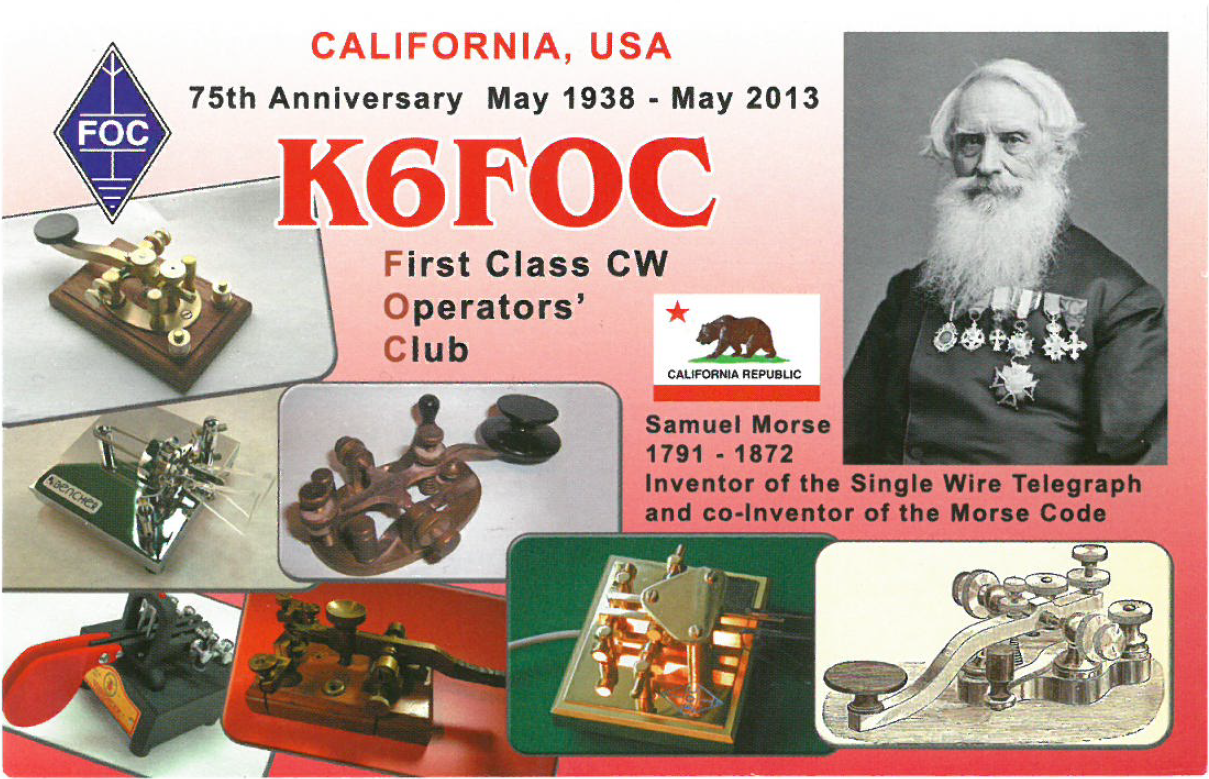
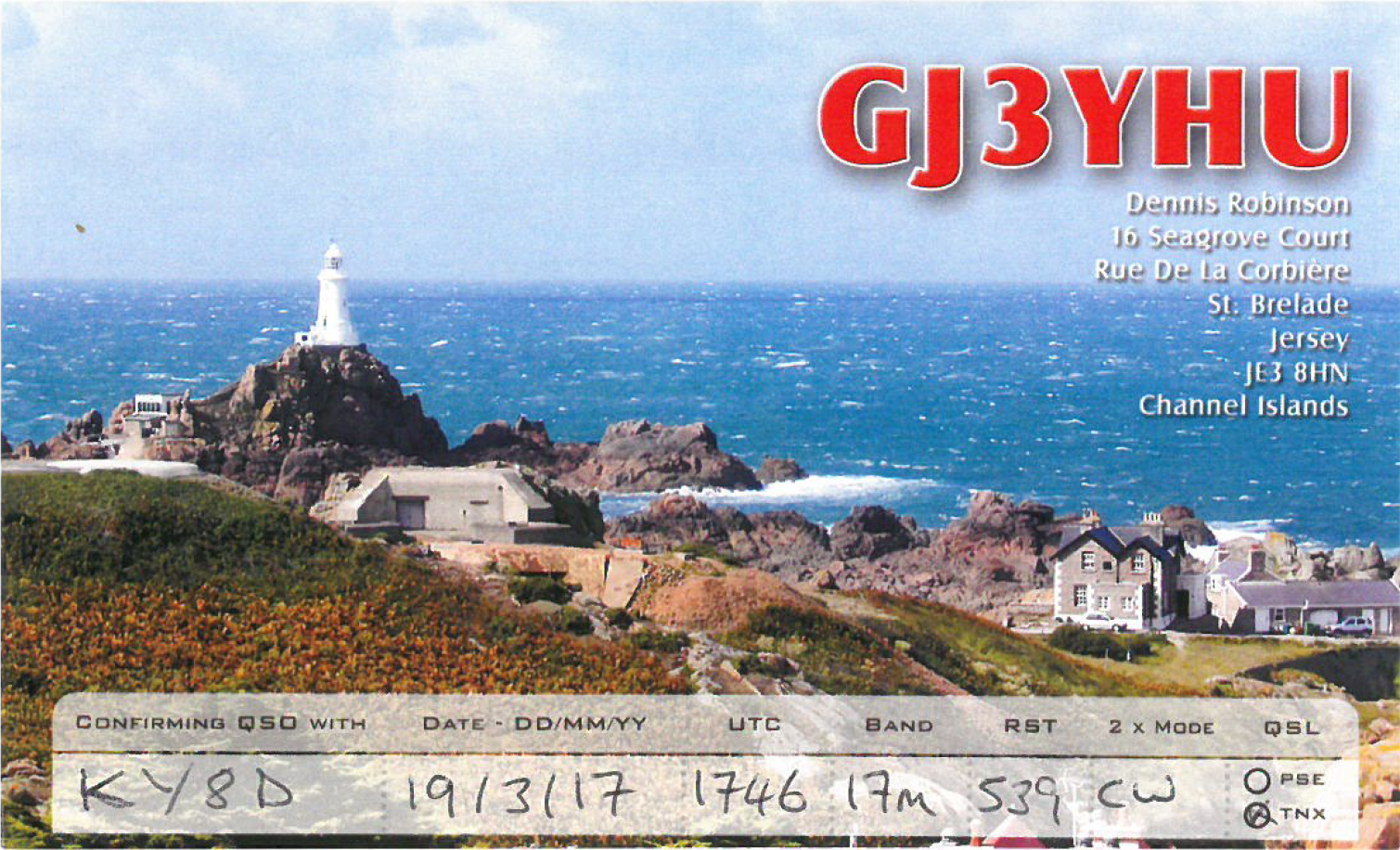
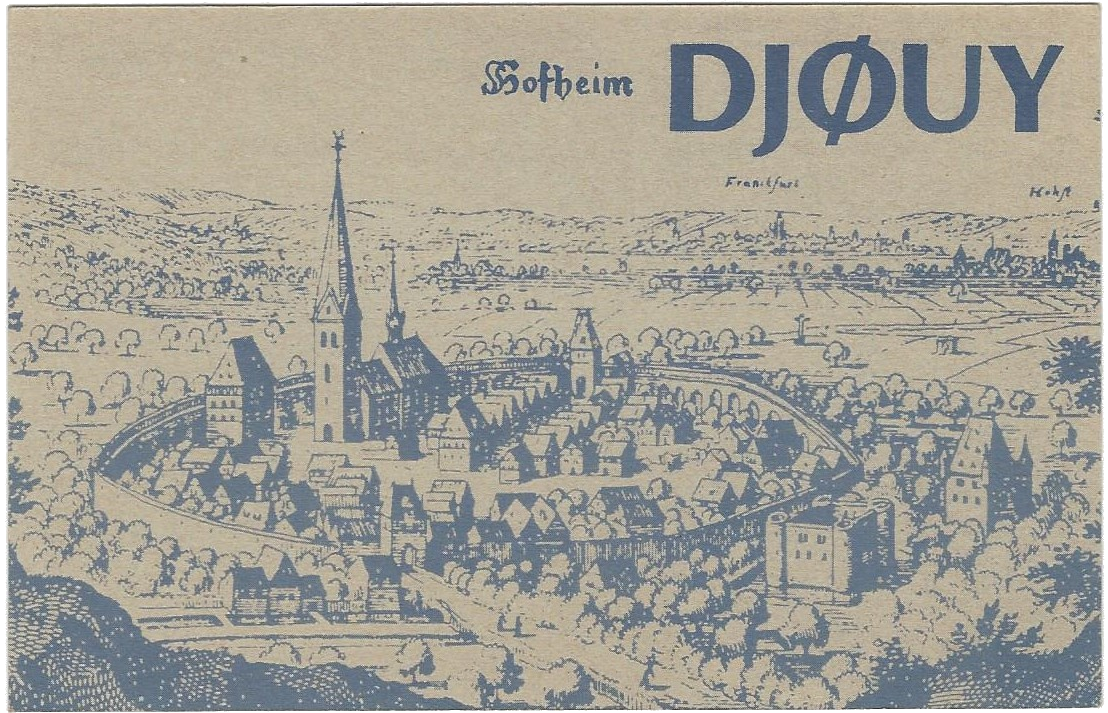
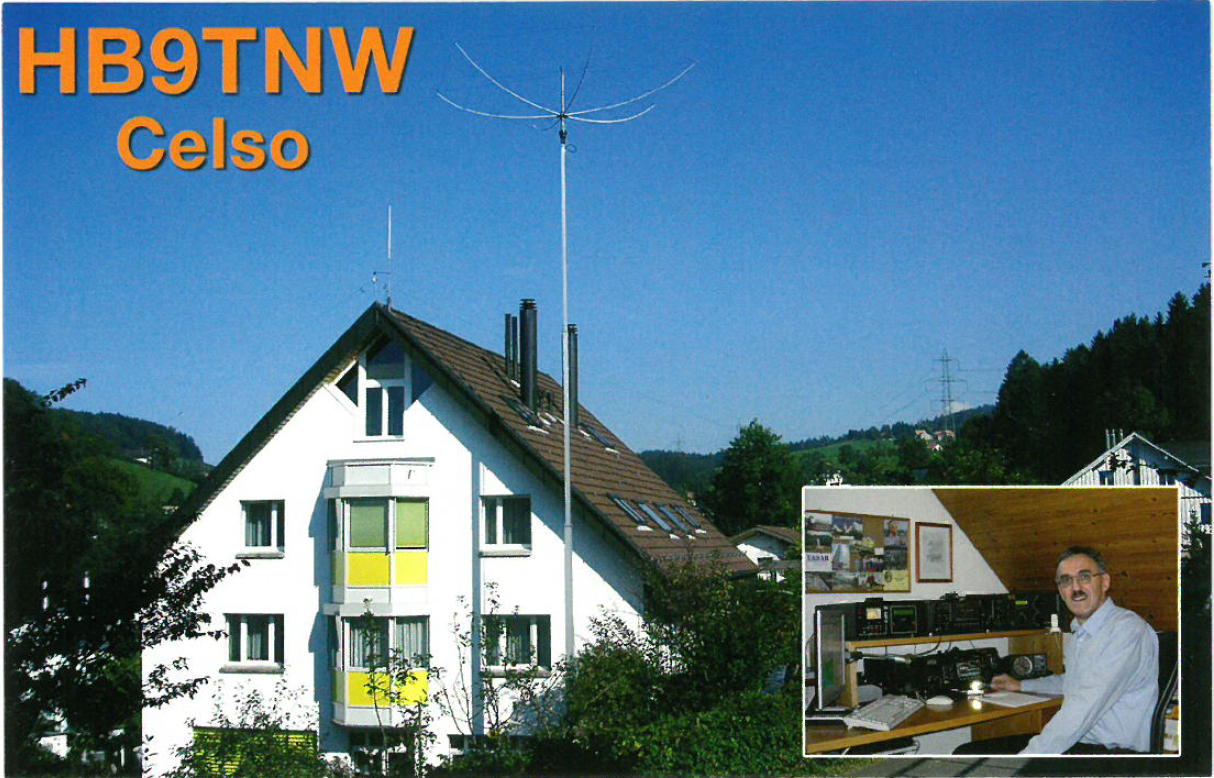
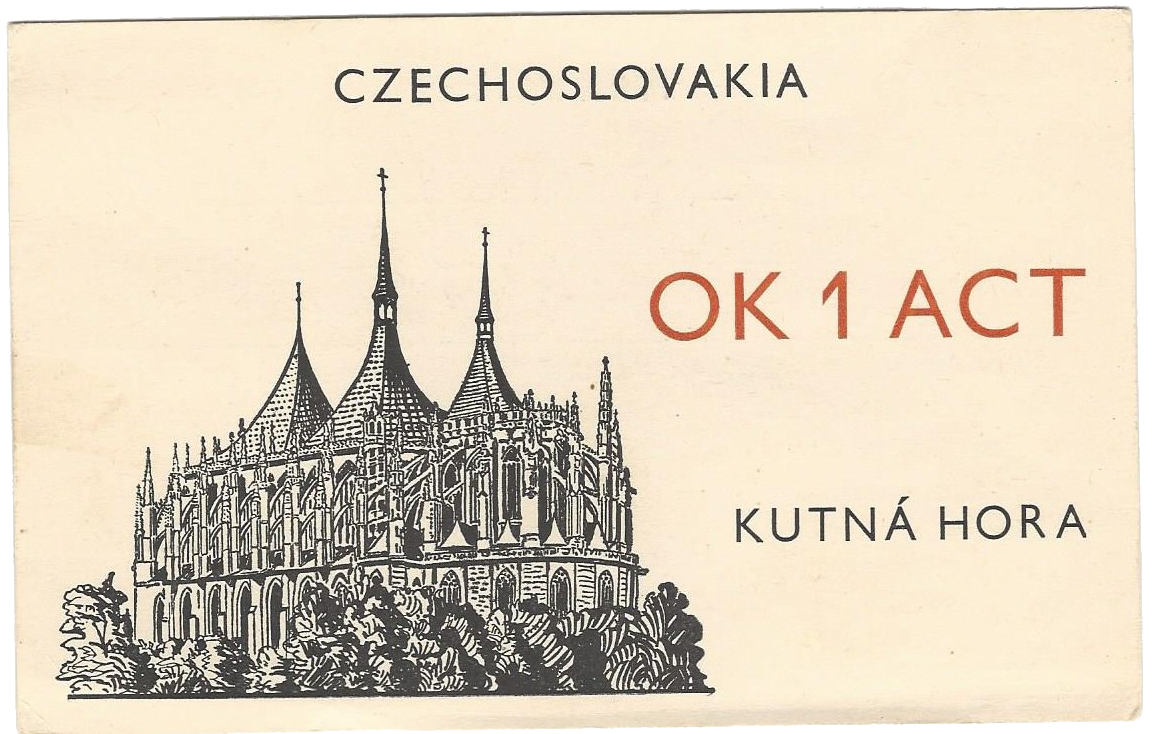
Received QSLs showing artistic flourish win pride of place upon my wall no matter from where. Below, are thumbnails of my top favorites. Click on N1EA and read the fine print!
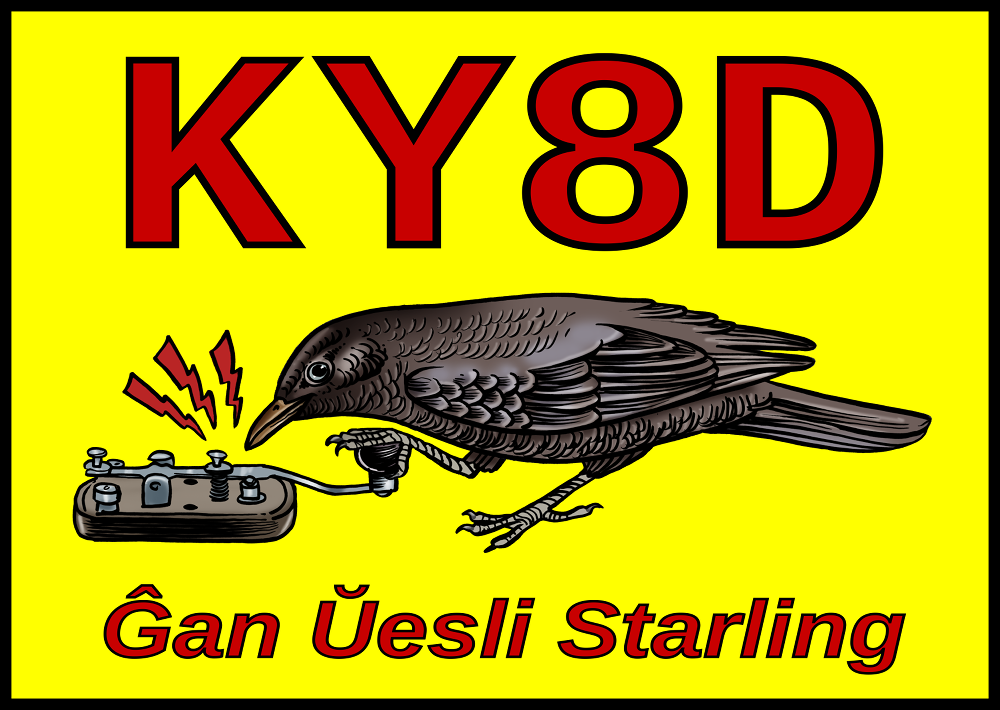
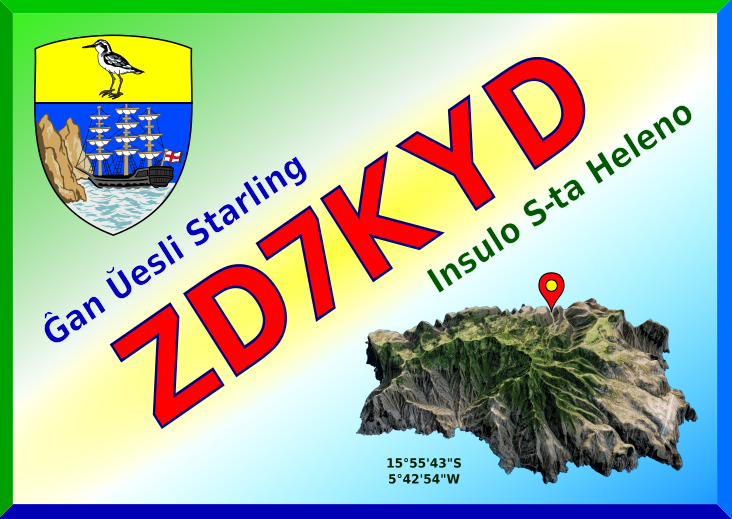
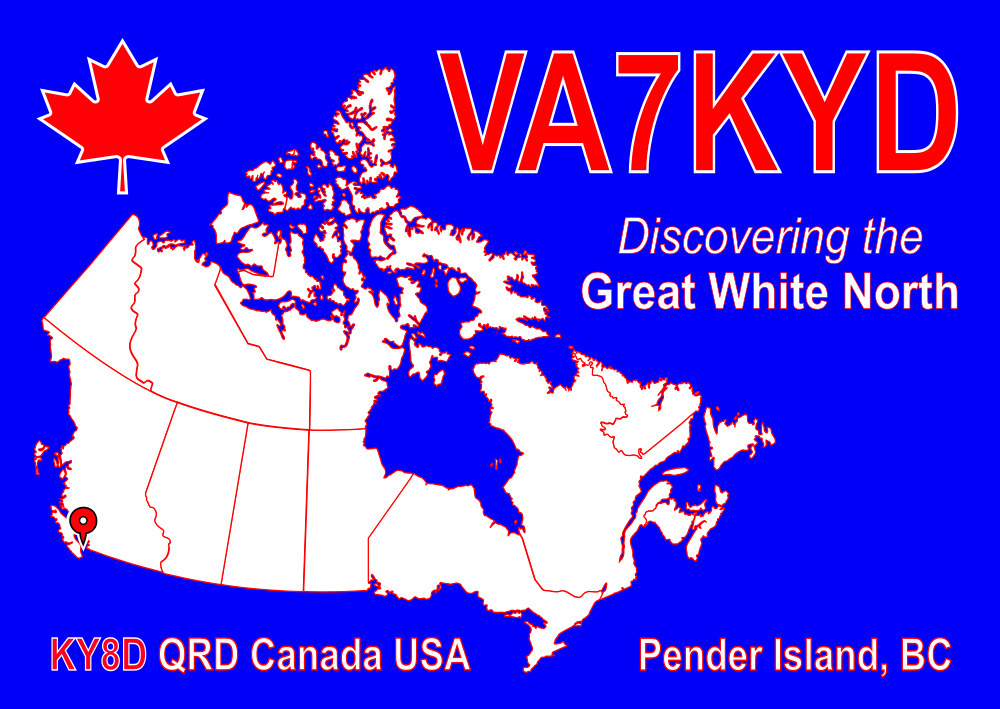
Here are my current QSL cards, all size Metric A6. Regarding the starling, he is no common Sturnus vulgaris. Attached to him is a most curious tale. A 150-year mystery which, so I hope, you will find amusing to read: The Mysterious Starling .
QSL images are thumbnails. Click on any to see more detail.
In designing your own, originality counts for a lot. Don’t be like guys I knew in the Navy who picked their tattoos by number from off the parlor wall. Hire an artist, if need be. Find one maybe at DeviantArt. Then print on extra-heavy card stock. You’ll save on envelopes and postage by sending as post cards. Flimsy cards often fare poorly in automated mail-sorting machines.
QSL Card Sizes ☜ Postage is the same for all these!
I generate an AIDF for upload to LotW each time a new page in my paper log book has been completely filled. So, once every 25 QSOs, however short or long that interval might happen to be.
The process is automatic, managed via SQL query: SQL Culled from uploads are domestic QSOs shorter than one third of the on-going, all-time average for whichever of my call signs is currently in effect.
Exempted from culling are any stations who have engaged me for a polite duration at least once in the past. Likewise any from whom I’ve received a real, paper QSL card. Also any QRP stations of 10W or less where RST was below 569. And, of course, DX stations owing to a potential language barrier.
Decoders are cheating. Unless you’re stone deaf, or a learner just starting out, then no valid excuse exists for employing one of these. Mayhap, not even then. I once logged a QSO with a stone-deaf op who read CW by touch, laying fingers on the dome of a speaker from which the cone had been cut away.
Memory keyers have only one legitimate use: automating CQs so as to spare ones wrist for the QSO that shall follow. I deem it irredemably rude that any should answer a CQ of mine with a push-button reply of RST 599 TU SK. Especially as they have almost certainly lied about my actual RST. Take that behavior instead to FT8 where it belongs.
As for CW sent via keyboard, this is often a whole other matter. Many a long-time CW op will find their fist becoming problematic due to advancing age: arthritis, tremor, etc. Hopefully, I’m still yet a decade away. Meanwhile, though, I do know of several ops who all read CW at 30-plus wpm wholly by ear, but who must reluctantly resort to a keyboard for sending.
Note my membership in ILERA, the Internacia Ligo de Esperantistaj Radio-Amatoroj. Esperanto is a construted language. I translate classic SciFi and horror into Esperanto. Short stories and entire novels by such grandmasters as Jack Vance, Clifford D. Simak, and Clark Ashton Smith. Here is my page of free ebooks: Fantasto .
Care to try out a second language? In Esperanto, you can gain fluency easy. Once, 40-some years ago, I rented an indoor table for $500 at the Dayton Hamvention, selling some books and distributing over 2,000 flyers. So here now instead, at zero expense, is a link to ILERA’s Facebook page: ILERA .
Here are the structures presently on and above the grounds around my home.
While portable in South Africa, a few times I hoisted antennas by kite.
Kites A complete how-to. My page on the theory and practice.
Cape Point Hoisting a center-fed sloper (balun, coax and all) on the Cape of Good Hope.
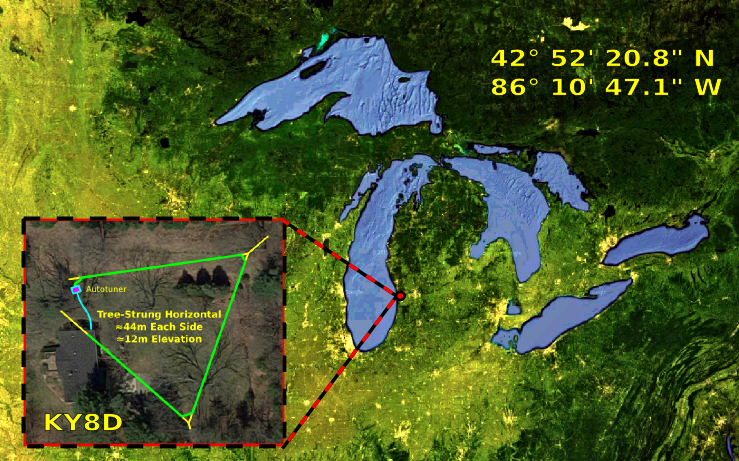
Wire strung between a trio of trees very far apart from each other, one of them on my neighbor’s property. Arranged as a near-equilateral triangle about 44m per side. Average height is about 12m above somewhat uneven ground. At two of three corners, a pulley with 5 lbs of draw keeping it taut.
Wire is fed directly by LMR-400 coax buried for most of its 8m length. Ten clamp-on ferrites at the far end (2m up the trunk of a tree) serve as CMC to keep RF out of the shack. An MFJ T-match inside the shack tunes all bands. This antenna has undergone two distinct phases.
Basically a really long random wire. Doubly random for being bent into a triangle. A single wire opposing earth ground. Said ground being three 10-foot, copper clad steel grond rods space 1m apart, their tips dipping into the water table.
Best performance was on the lower bands, 30m and down. Tuning via the T-match was sharp on all bands. In this configuration there were surely a great many lobes. And between each pair of lobes, a corresponding null.
Actually, this had been my original plan. But high branches at the start/end posed a daunting obsticle. With Solar Cycle 25 heating up, having to retune the too-sharp configuration on for different parts of the CW portions on higher bands became a nuisance. So I decided to try a possibly desperate move. I added enough extra wire to extend the bitter end of inverted L slant-wise downward and soldered it directly to the flat braid leading from the coax shield down to the ground rods.
And it works great! Tuning via the T-math is now much broader on all bands. My qualifying 100th QSO for the SKCC Marathon QSO awardwas an hour-plus stint with another op running 5W on a magloop hung from the ceiling of his garage.
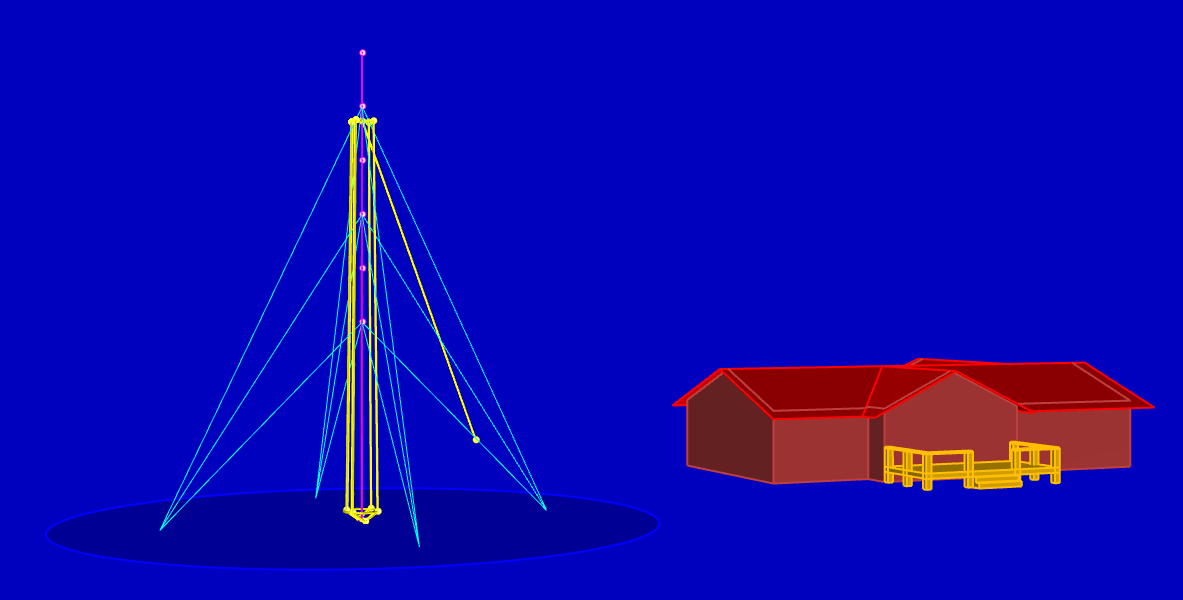
In my side yard stands a 56-foot mast (16.6m). The lowermost section is 3-inch (76.2mm) OD aluminum pipe, 24 feet (12.8m) tall. The upper five sections are fiberglass tubing. Guy lines run four directions from the 1st, 3rd, and 5th sections.
I assembled it Some years later, while having trees trimmed, trimmer LINK
NEC Model Suspended from the uppermost pully of the guyed mast. An up-slanting feedwire with four parallel down-wires joined grounded at bottom. Eight random length radials (not shown) extend to property line or nearest obsticle. Soil augmented by 100 pounds of graphite sand out to 24 feet.
This make and model is a true gem. I take it with me always on DX-pedition. Combined with my RGO One rig, it has served most admirably in South Africa, and on Saint Helena Island. Recently at a hamfest, I purchased a second one used, my intent being to establish it permanently on a base station antenna at home.
This make and model proved most unsatisfactory. At issue was its memory function, which could only be reset by going outdoors, removing the cover (held on by loose screws and nuts), then manually pressing a trio of buttons in combination. Buttons which all face the wrong way, so that a dentist’s mirror is needed. All while standing upon a ladder. A completely idiotic design.
I had bought it for tuning the Giant Coat Hanger. Temperature changes alone suffice to alter its total length of 146m. And although insulated, still it runs closely past several trees and through a couple of others. Changes of weather and season affect the wire’s proximate environment day to day. And because of this, the auto-tuner’s memory function cripples functionality. Thus for my purpose the damn thing is useless.
Below is where I operate from at present. Shown is the antenna which I call my Giant Coat Hanger.
|
|
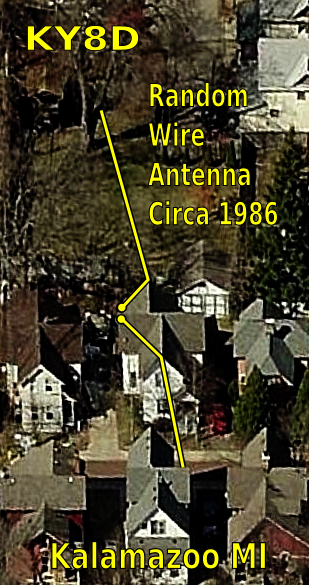
Below on the left is where I lived prior. There my antenna was likewise a random wire, but mounted 2.5 stories up. Pretty good for the middle of downtown. But then I had to get a new roof, so the antenna had to come down. On account of which ... plus a few other reasons ... I ended up going QRT for 26 years.
|
|
|
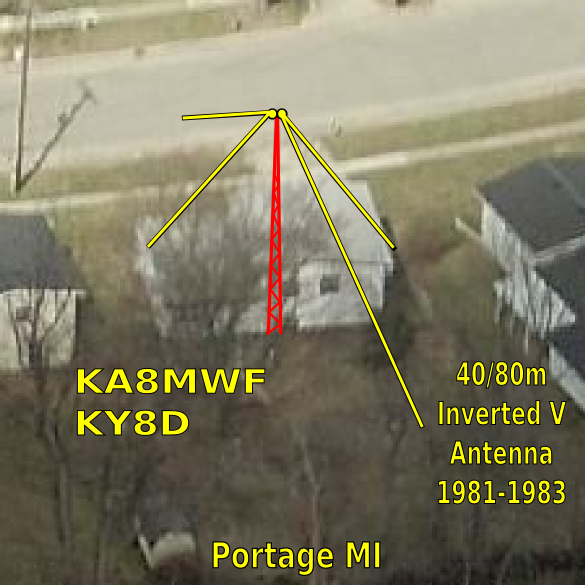
Above on the right is where I grew up. For lack of any satellite photo circa 1983, I have sketched in the now long gone 48-foot Rhon BX tower which my dad had allowed I install after returning home from the navy.
Showing also, in part on the left, where my best friend Tom used to live. Paul, Tom’s dad, as an ex-army radioman from WW2, was an avid CB operator. This was during the mid-1960’s, back in the days when CB stations required an FCC license, and was a hobby was very rare. Operators still ID’d their stations with an official 3x4 call sign and addressed one another by their real names. They even traded QSL cards just like hams. Paul’s 30-foot tower and rotatable, 3-element, vertical Yagi was an item of neighborhood wonder. Ditto for the 9-foot whip on the bumper of his Ford LTD. It would not be unfair to say that way back then, Citizen’s Band was hardly much different from a no-code ham license today, however much it was restricted to 5 Watts and 23 channels, crystal controlled. How very different from now.
After getting out of the Navy in late 1978, I had a CB license myself for a short while. The Rhon BX tower was put up for that, sporting for its first couple years a Wilson Laser 12, 6-element yagi with quad reflector. It didn’t take very long however, before all the trash-talking idiots dampend my enthusiasm.
Just about then I got a new job where I worked with Al Nelson, K8OQB, who became my Elmer. I then sold the CB antenna and put up a 40/80m inverted Vee, it’s 80m legs terminating in trees now cut down.
1,000-plus hours of *.mp3 files. Entire novels in Morse code. Those plus also the system which I employed to create so very many audio files. A pair of programs written in Perl, the source code and even *.exe versions to run on Windows. What I do is load them into my Samsung S7 smartphone where to play them I use the high-rated app Smart Audibook Player. But a regular MP3 player had used to serve me equally well. Thus for my practice, I have available, chapter-by-chapter at increasing speeds, The Princess of Mars, plus many others.
Have you ever wondered if Morse code could be sent on drums, bells, etc?
MP3 files generated from free sound files downloaded from LINK , which I hand-tailored in Audacity, then sequenced to text using a custom Perl script employing the Audio::Wav module.
Here are some items which I made for me, which also are fun to give away free, yours truly KY8D.